Home » Taxes Articles and tips » Criteria People Use When Choosing Professionals for Tax Preparer Jobs
Criteria People Use When Choosing Professionals for Tax Preparer Jobs
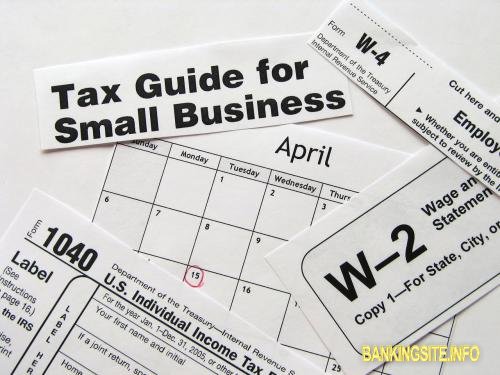 The field of tax preparers is likely to become less populated as the IRS implements tax preparer certification. However, there are still differences in experience, aptitude, and specialty among tax preparers. Therefore, everyone possesses distinctive criteria in selecting a tax preparer to meet specific needs.
Most people will still locate a tax preparer by asking friends and associates. However, the public needs to understand the different qualities represented among types of tax practitioners.
A Registered Tax Return Preparer must pass a competency exam in order to obtain a license from the IRS. However, there is one exam level for tax returns not involving business activities and a second exam intended for those working with business tax reporting. Independent contractors or solo operators of small businesses are likely to receive perfectly efficient tax preparation from an experienced RTRP.
More sophisticated businesses with employees and inventory to manage are likely to seek the services of a Certified Public Accountant. CPAs are licensed by their states. They have demonstrated their skills by passing a rigorous examination. However, not all of the exam covers tax matters. The IRS exam for tax preparers addresses only tax.
CPAs are not necessarily tax experts. In fact, many specialize in auditing and providing services for bookkeeping and payroll. However, many CPAs do prepare tax returns. However, they may have no more experience in complicated tax matters than other tax practitioners.
Enrolled agents are licensed by the IRS. Unlike RTRPs, enrolled agents can represent taxpayers in negations with the IRS, which is also permitted of CPAs and attorneys. EAs must pass a rigorous exam - all of which covers tax laws and ethics.
Some EAs are experienced in conducting accounting adjustments for businesses and others avoid this. But the same is true of CPAs. Business owners that need accounting review and corrections prior to preparation of tax returns should carefully assesses the aptitude of their tax adviser - whether an EA, CPA, or RTRP.
In most cases, either an EA or a CPA can correctly address complex tax issues. Therefore, taxpayers with extensive investment interests, property ownership, or contractor labor income are often best served by an experienced enrolled agent. Many who select CPAs are buying more accounting expertise than they require.
Taxpayers who simply have plenty of tax deductions or eligibility for tax credits are likely to obtain sufficient expertise from an RTRP. Still, all individuals should assure that their selected tax professionals possess the ability to accurately address their specific tax situations. This is easily determined by asking a few questions about the tax implications of various circumstances.
IRS Circular 230 Disclosure
Pursuant to the requirements of the Internal Revenue Service Circular 230, we inform you that, to the extent any advice relating to a Federal tax issue is contained in this communication, including in any attachments, it was not written or intended to be used, and cannot be used, for the purpose of (a) avoiding any tax related penalties that may be imposed on you or any other person under the Internal Revenue Code, or (b) promoting, marketing or recommending to another person any transaction or matter addressed in this communication.
Fast Forward Academy is a leading publisher of education for tax preparer certification and tax professionals. Access to free questions for the Registered Tax Return Preparer is available on their website.
By Sawyer Adams
Article Source: http://EzineArticles.com/?expert=Sawyer_Adams
Related news:
- IRS Emphasizes Limits in Using Designation of Registered Tax Return Prepare ...
- IRS Registered Tax Return Preparer Exam Specifications
- Complete Study Course and Tax Season Work Before Taking RTRP Exam
- RTRP Exam Study Guide Basics on Amended Tax Returns
- Enrolled Agent Exam Details Rules for Documenting Tax Deductions
Dear visitor, you went to website as unregistered user.
We encourage you to Register or Login to website under your name.
We encourage you to Register or Login to website under your name.
Information
Members of Guests cannot leave comments.
Members of Guests cannot leave comments.